Our Study Visit this year was to Bristol, a city that many of us had not previously visited so anticipation was high.
Day One - Bishop Auckland to Bristol via Compton Verney
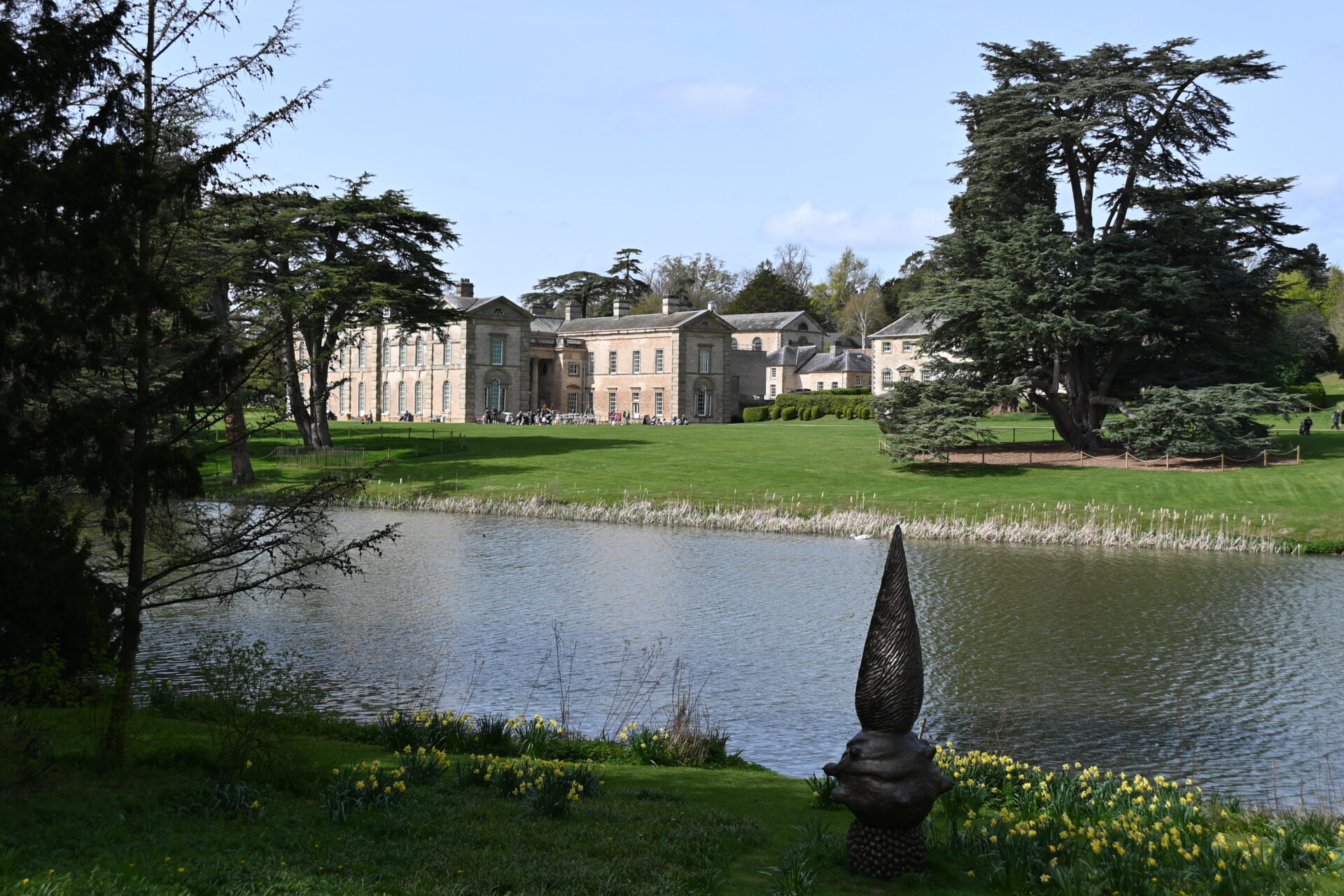
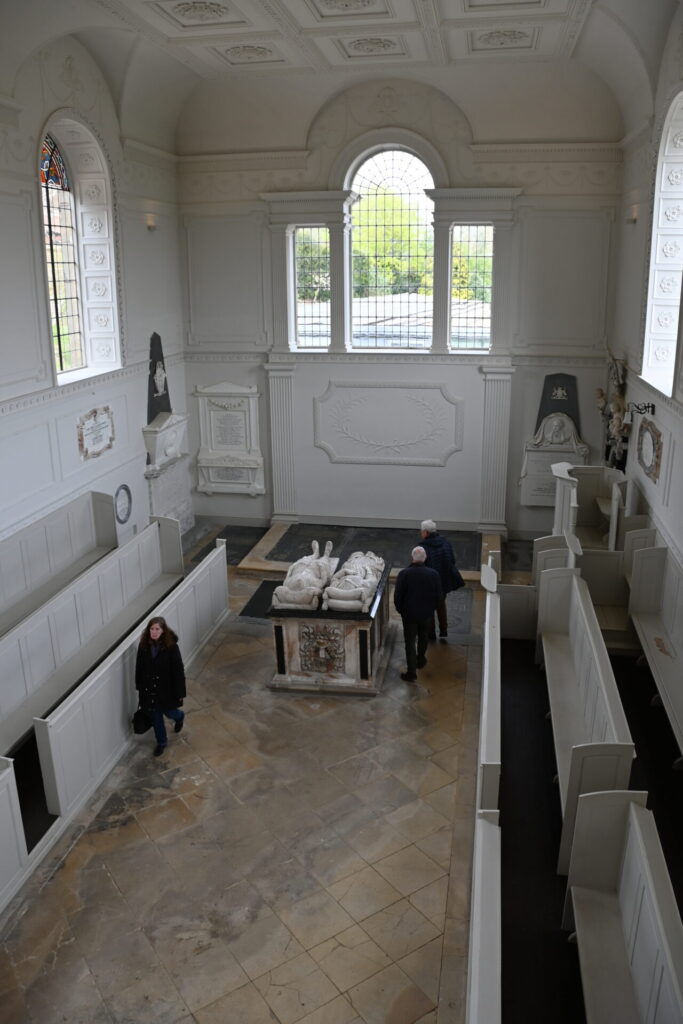
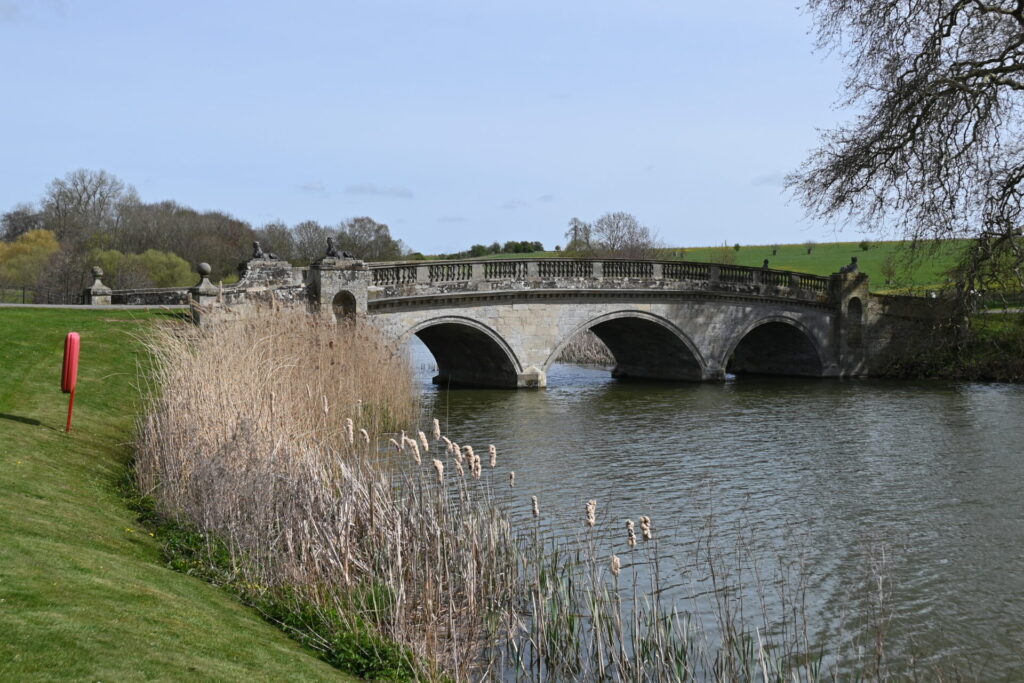
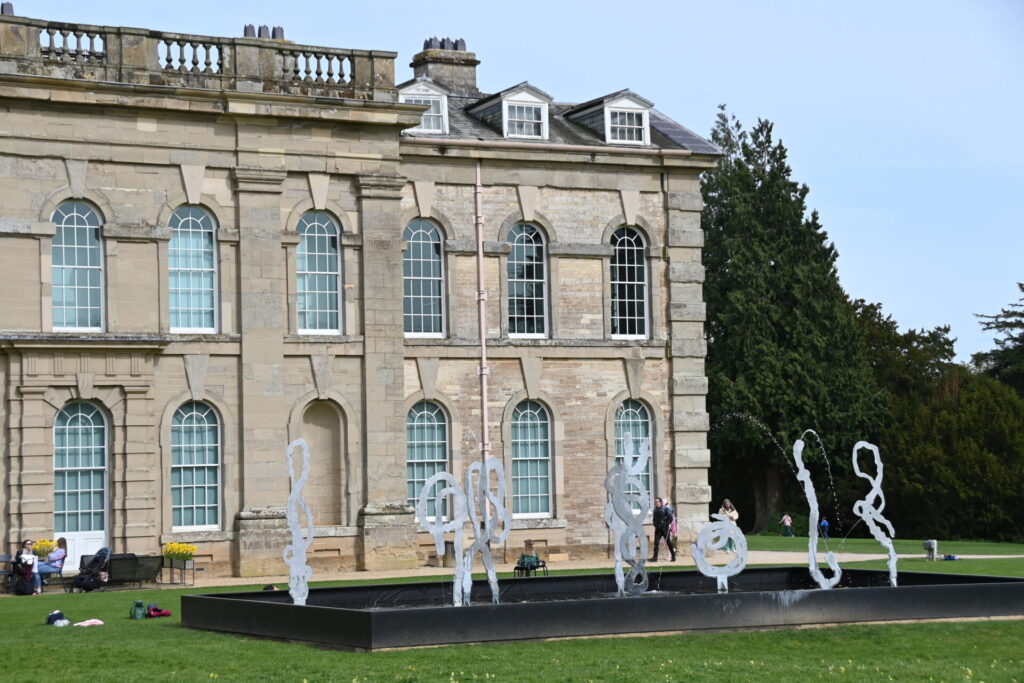
We made a stop on the way south at Compton Verney the former country house now run as a gallery and art centre by a preservation trust. The land was acquired by the Verney family in 1400s, in the 16th Century the grounds were landscaped and the Manor House was remodelled by John-Payto Verney (1738-1816) using designs by Robert Adam & Capability Brown. Today the house and estate are owned by a Trust who use them as a showcase for Art. The grounds still retain much of Brown's character likewise the house has much of Adam's neoclassical appearance. To the north of the house is a Palladian Chapel whose centrepiece is the alabaster table tomb of Richard & Margaret Verney.
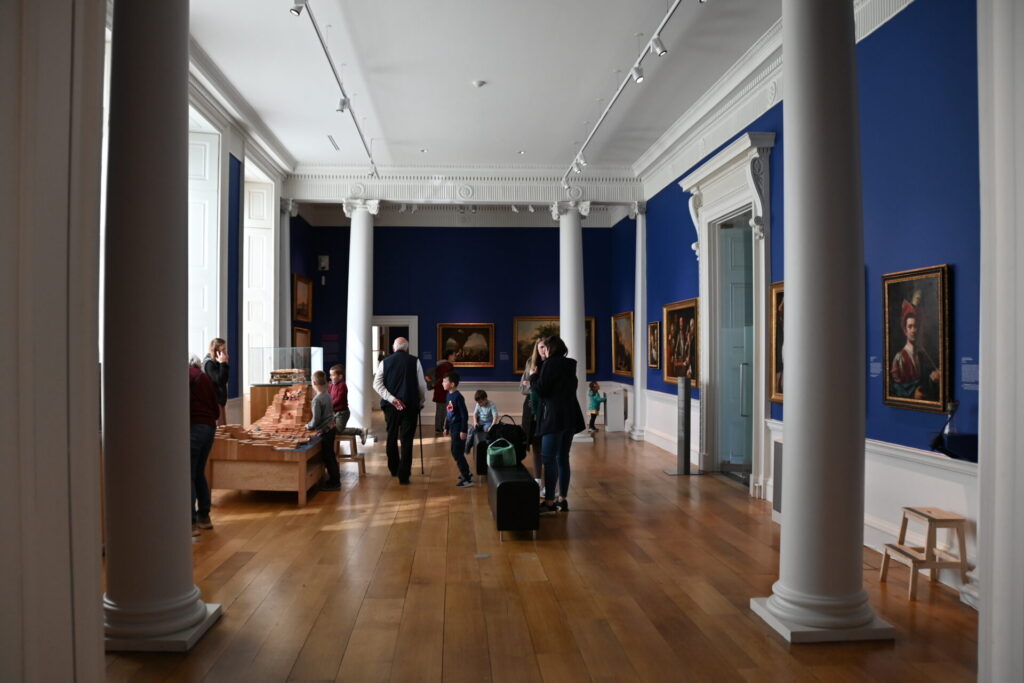
On reaching the house we went into the Gallery to see the Bruegel to Rembrandt drawing exhibition, the sketches by those artists and others such as Peter Paul Rubens were fascinating. Then came the collection of Chinese Bronzes which date back to the 1500 BC Shang Dynasty and included warriors & horses plus ceramics.
We then visited a textile exhibition featuring works by Elizabeth Allen followed by the ‘Sensing Naples’ collection which included Voltaire's ‘Eruption of Vesuvius’ and array of scent bottles containing everyday smells which really brought 17th & 18th century Naples to life! Next stop was the Northern European Art & Portrait Collection, including works from the school of Hans Holbein; until we reached our main goal, the small exhibition of modern masterpieces which featured Van Gogh's Peasant Woman Digging and Renoir's Young Lady.
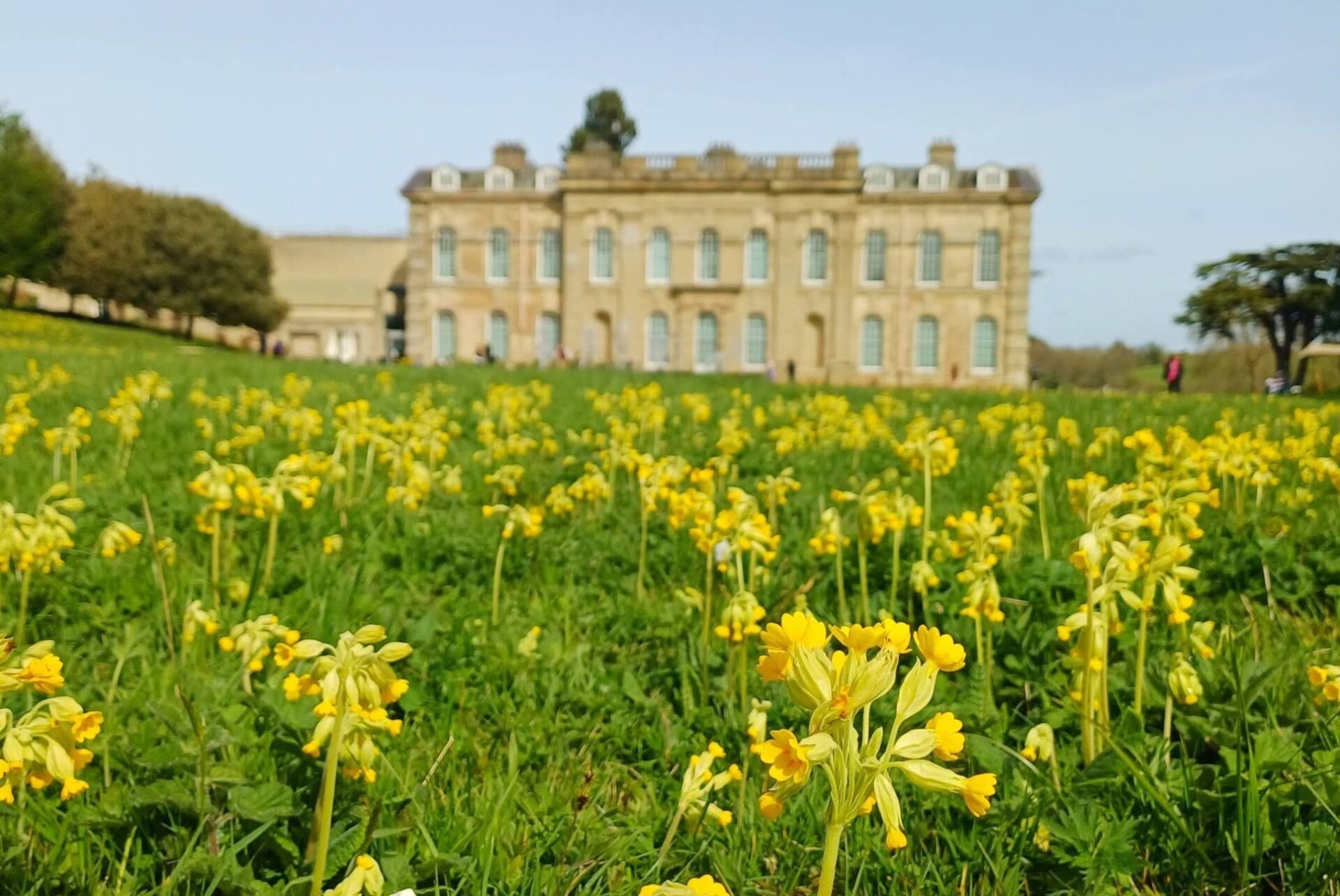
Our visit concluded with a walk round the West Lawn where the cowslips were in bloom! K and SH


Day Two - Bristol
Our second day started with an introductory orientation and guided tour to Bristol by coach, so we picked up our guide, Liz, at Millenium Square; our tour took us through the Old City, across the River Avon, past the church of St. Mary Redcliffe (described elsewhere) and Brunel’s original Temple Meads Station building before passing the modern city centre and a glimpse of the arched gate now the only surviving remnant of the city walls. At College Green we had a brief stop to admire Bristol Cathedral, and the imposing City Hall, and across the road, on an otherwise unremarkable gable end, a Banksy. From here we proceeded up Park Street passing the neo-gothic Wills Tower, a gift to the fledgling university from the founders of the Wills tobacco company, and the Edwardian baroque façade of the Bristol Museum and Art Gallery. We continued uphill though streets of large Edwardian semi-detached villas where we passed the modern, brutalist Clifton Cathedral, somewhat incongruous in these surroundings.
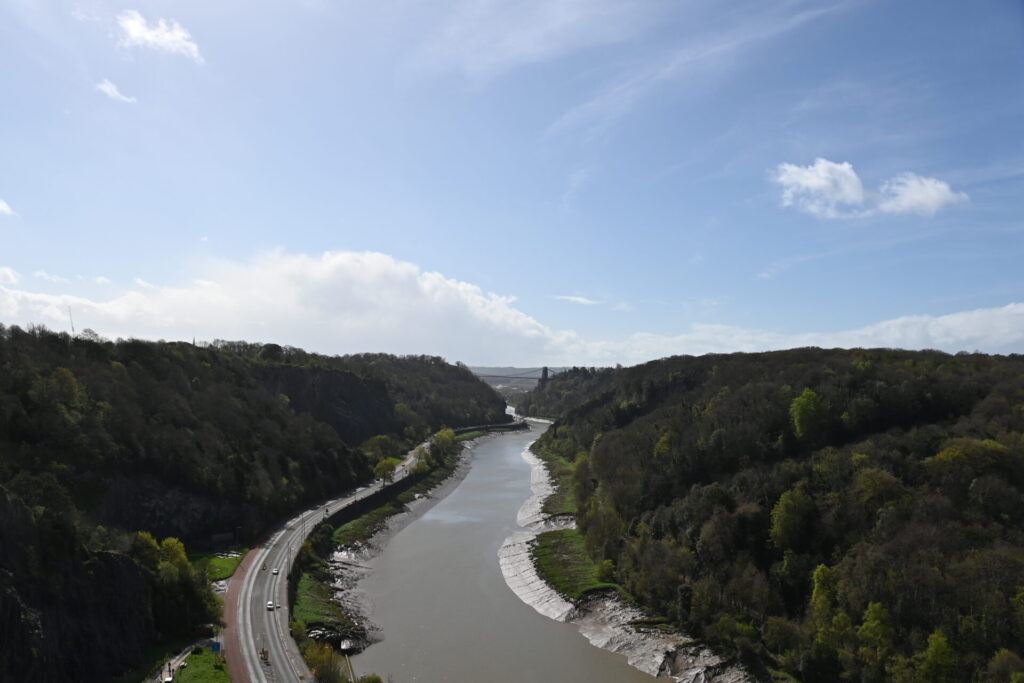
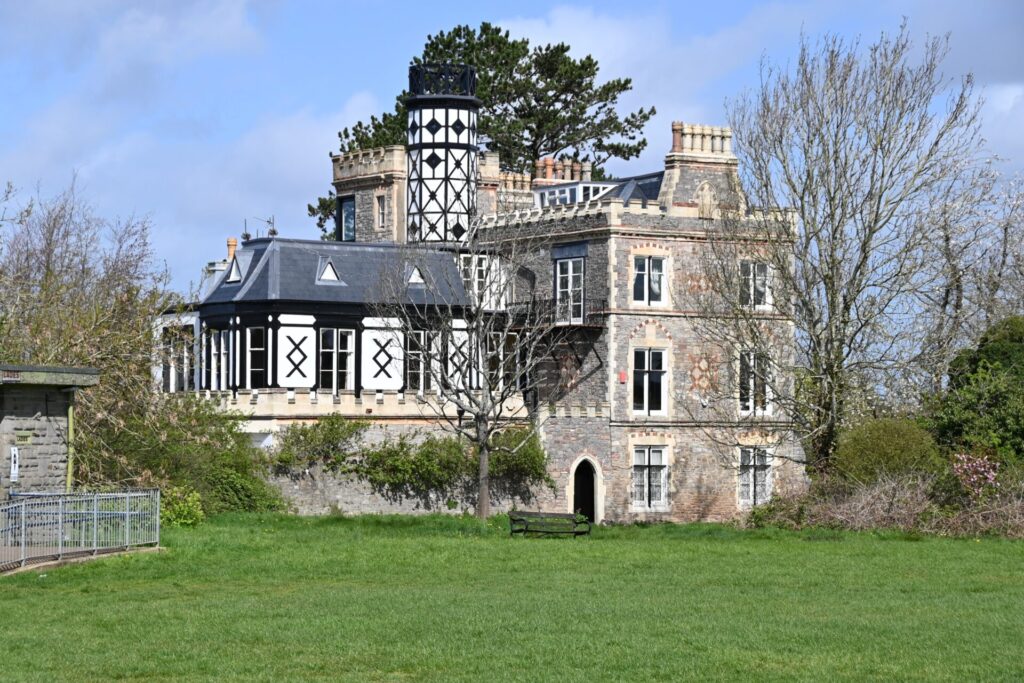
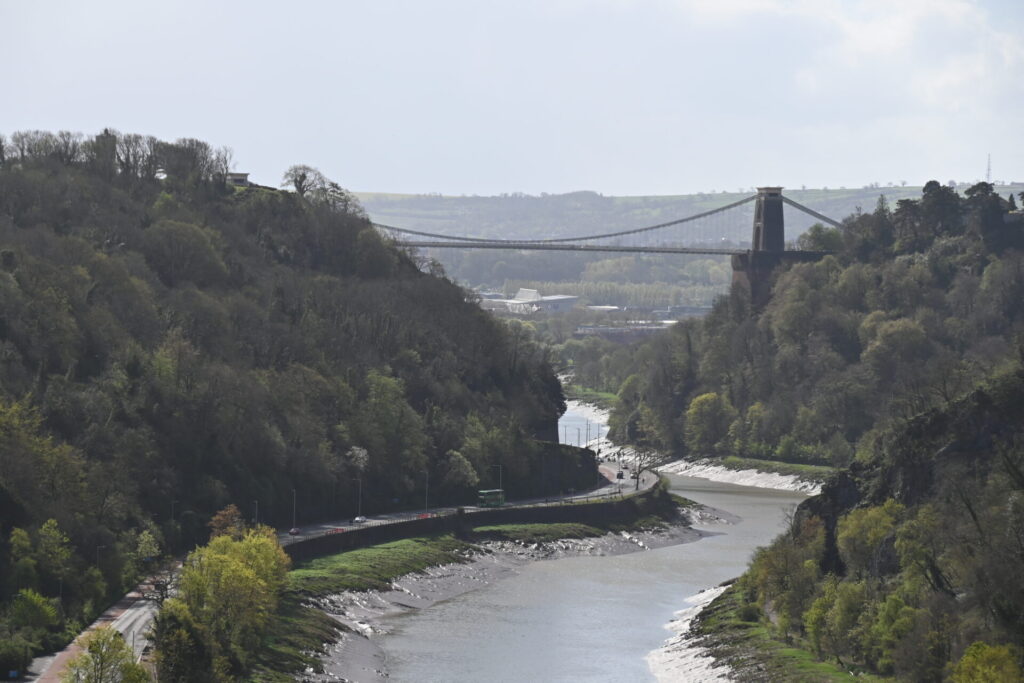
Shortly we came to Clifton Downs and stopped to take advantage of the spectacular views over the Avon Gorge. A short drive took us to Clifton Village and another stop where we took a brief walk to the Suspension Bridge (which is also described elsewhere). Returning to the city centre along the banks of the Avon, we travelled past the locks which keep the water levels in the harbourside constant. On the other side of the river were the huge brick bonded warehouses where tobacco was stored and also Brunel’s S.S. Gt. Britain. Back at Millennium Square our tour concluded on foot. Liz led us across the old harbour on Pero’s bridge, and into Queen Square, an elegant space surrounded by Regency houses. From here we headed north, crossing King Street where we saw the Bristol Old Vic Theatre, and on to St. Nicholas Market, now full of street food stalls. We exited the market into Corn Street and ended our tour outside the old Corn Exchange, a splendid Georgian building. We found ourselves next to an ornate cast-iron circular table-like object; Liz explained it was called ‘A Nail’ and was one of several where the merchants of old made contracts and paid their money ‘On the Nail’. CP
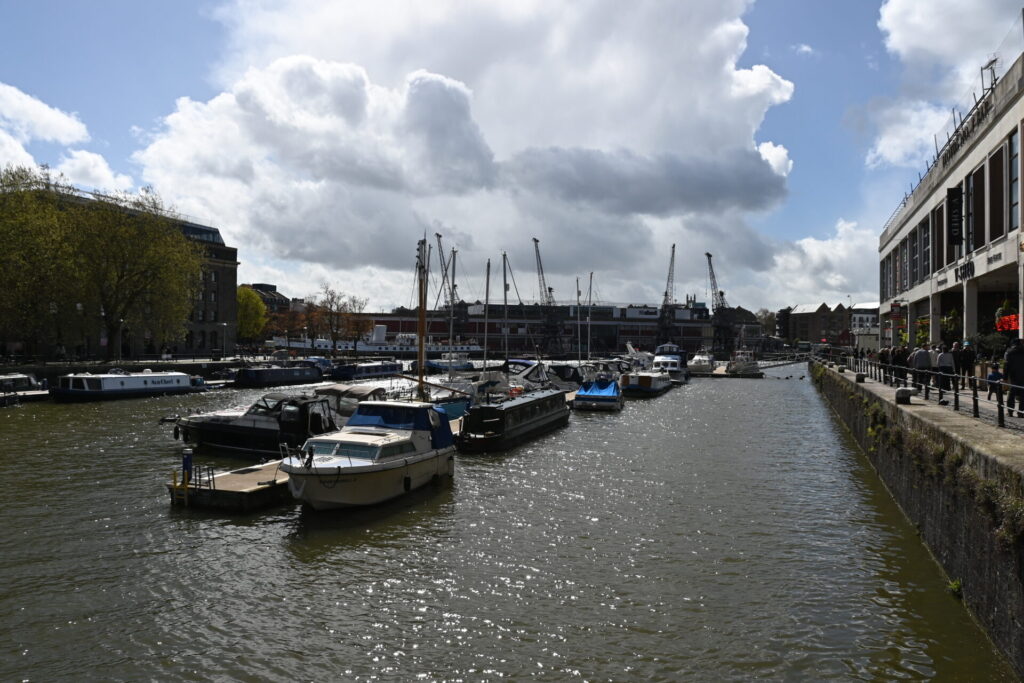
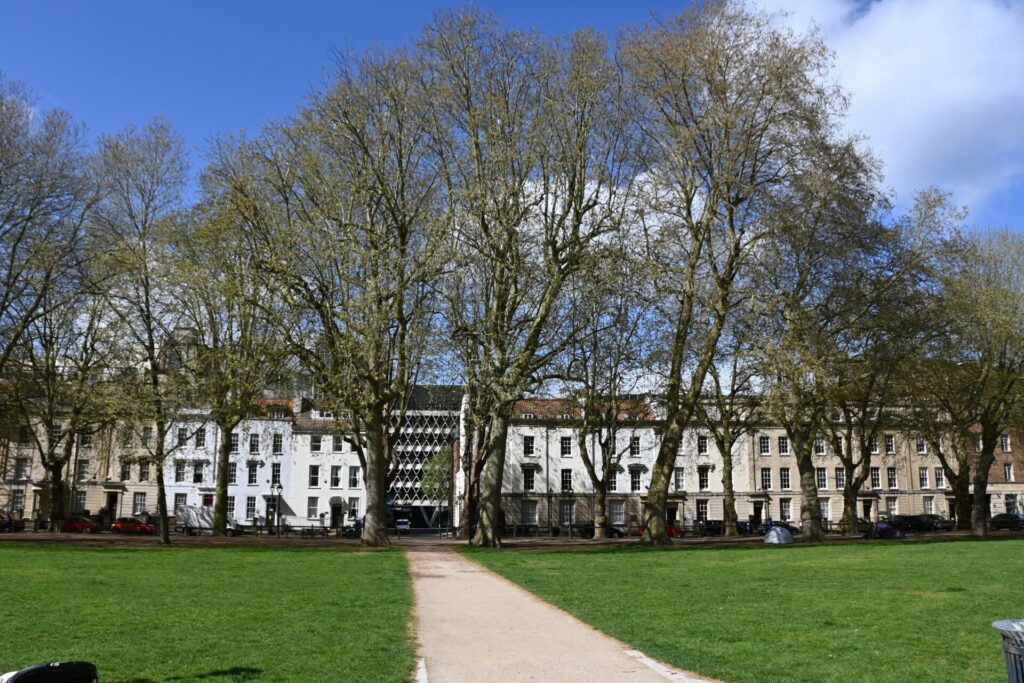


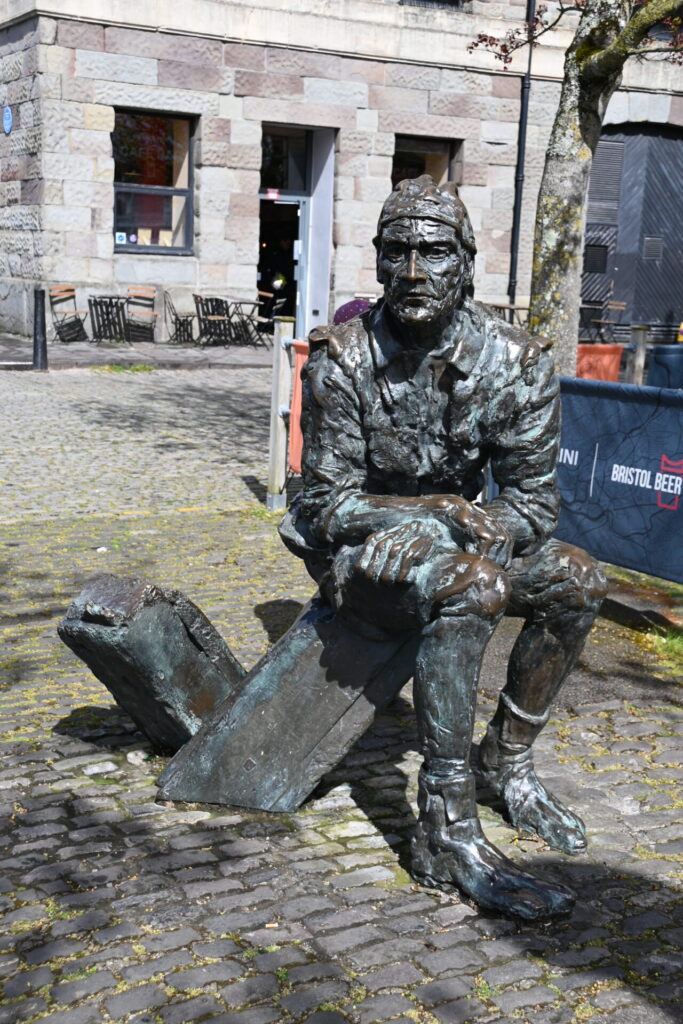
The remainder of the day was left for members to make their own explorations of the centre of Bristol and some of their impressions are given below:-
The Harbourside and the Arnolfini
The Arnolfini Centre is both a contemporary arts centre, a cafe, intriguing arts shop, a theatre, and a micro brewery located centrally on the quayside in Bristol docks. It proved to be, for some of the group, a stopping off point following our conducted tour on the Saturday morning and a place of peace and calm when we experienced our only episode of tempestuous rain throughout our visit. The beer was good, the coffee was good, and we were able to stock up our greeting cards with a range of quirky originals. Truly a most suitable place for tired feet! CH


SS Great Britain
We used our free time to visit this remarkable survivor of the golden age of steam. Designed by Isambard Kingdom Brunel and launched in 1845, it was the largest passenger ship in the world and the first to combine an iron hull and screw propeller (rather than paddle wheels). It also had sails as additional method of propulsion. The first iron steamer to cross the Atlantic taking 14 days, the ship had a crew of 120 and carried 360 passengers as a luxury liner, but in 1851 she was converted to carry 730 passengers on regular voyages to Australia where the Gold Rush was in full swing. Used briefly as a troop ship in the Crimean War (1855 – 1857) after which she returned to the Australian run until 1882. At that point the ship was converted to use sails only and worked until 1886 carrying cargoes of coal. The ships working life came to an end when it ran aground in the Falkland Islands, where she was then used as a warehouse and a floating store for coal until 1937 when she was scuttled and abandoned.


In 1970 a consortium including Sir Jack Hayward (owner of Wolverhampton Wanderers) and J. Paul Getty paid for the ship to be patched up, refloated and returned on a pontoon to Bristol where she was built. Now, one can see her in dry dock and marvel at the enormous single propeller and the steam engine which drove the ship at a stately 10 mph. See the cabins with clothes and artifacts of the period (including cricket kit from a touring team) and letters written by passengers and witness the lounge where the First Class Menu showed 14 courses – and Third Class only 2 (preserved meat and plum pudding)! It was a privilege to see this wonder of Victorian design and technology. GC
St Mary, Redcliffe
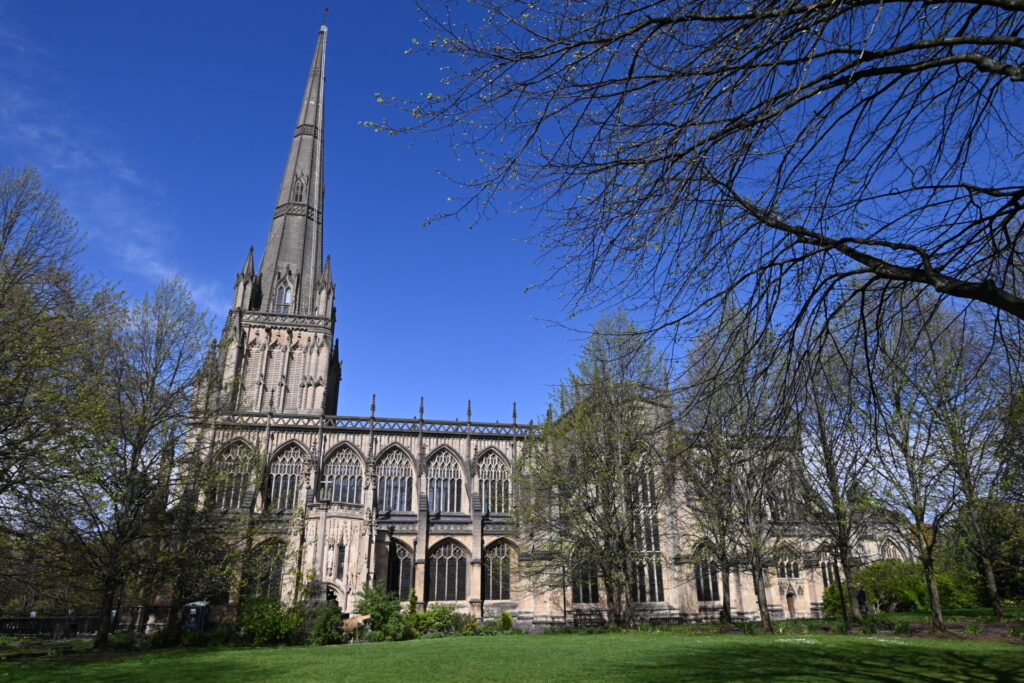
Visiting St. Mary (the Virgin), Redcliffe in 1574, Queen Elizabeth I declared it, "The fairest, goodliest and most famous parish church in England", and she was not alone in thinking this. In 1628, Charles I reiterated Elizabeth's opinion and in 1999, Simon Jenkins gave the church a five star rating in his book, England's 1000 Best Churches, one of only 18 to receive that accolade.
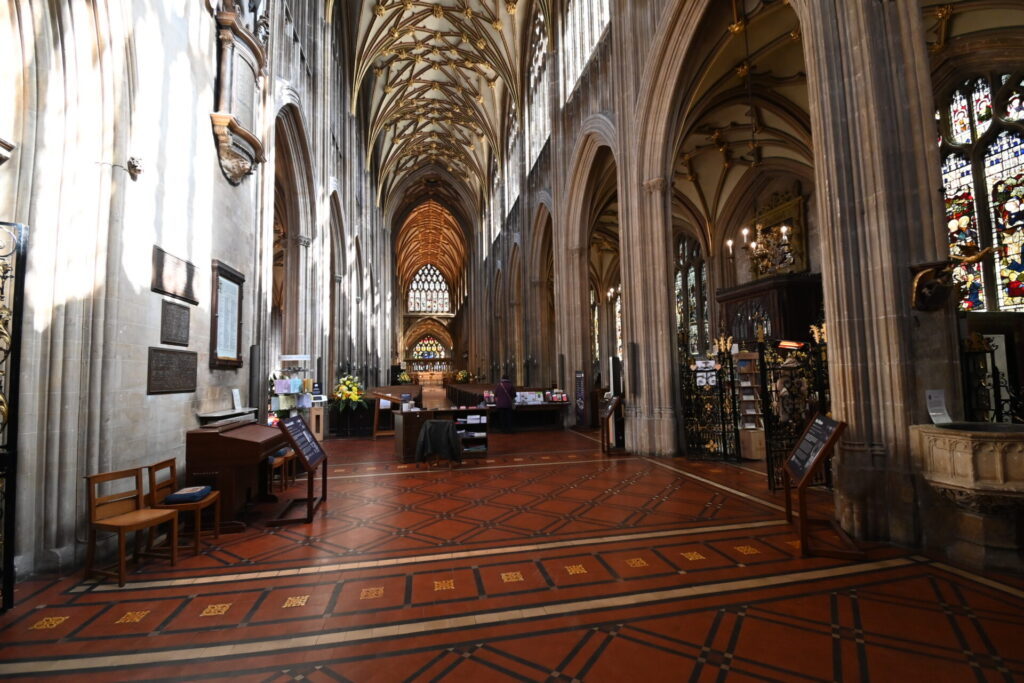
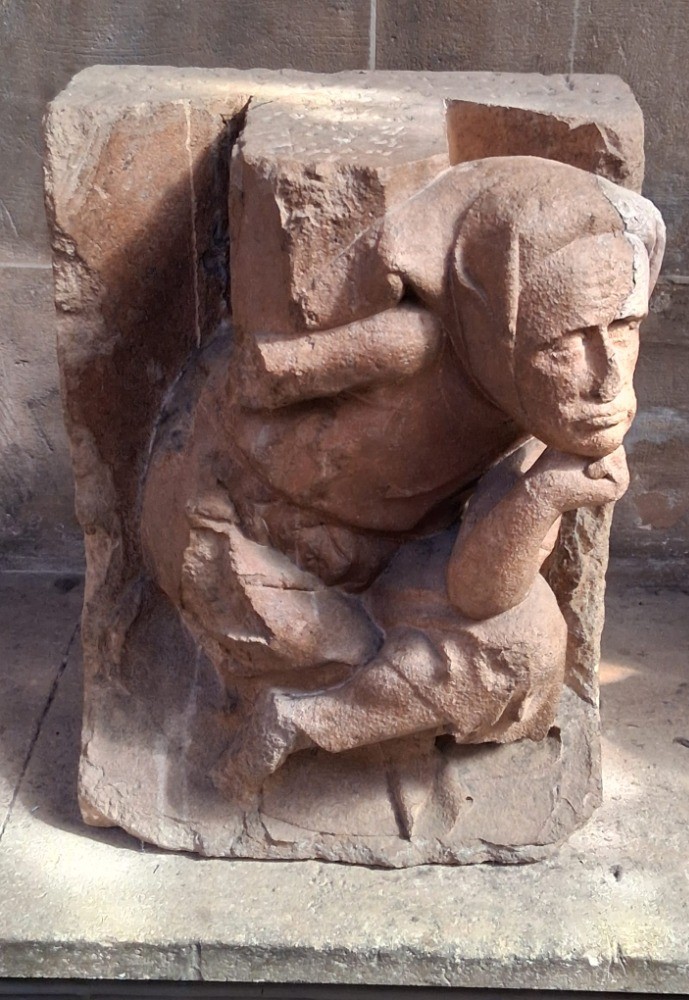
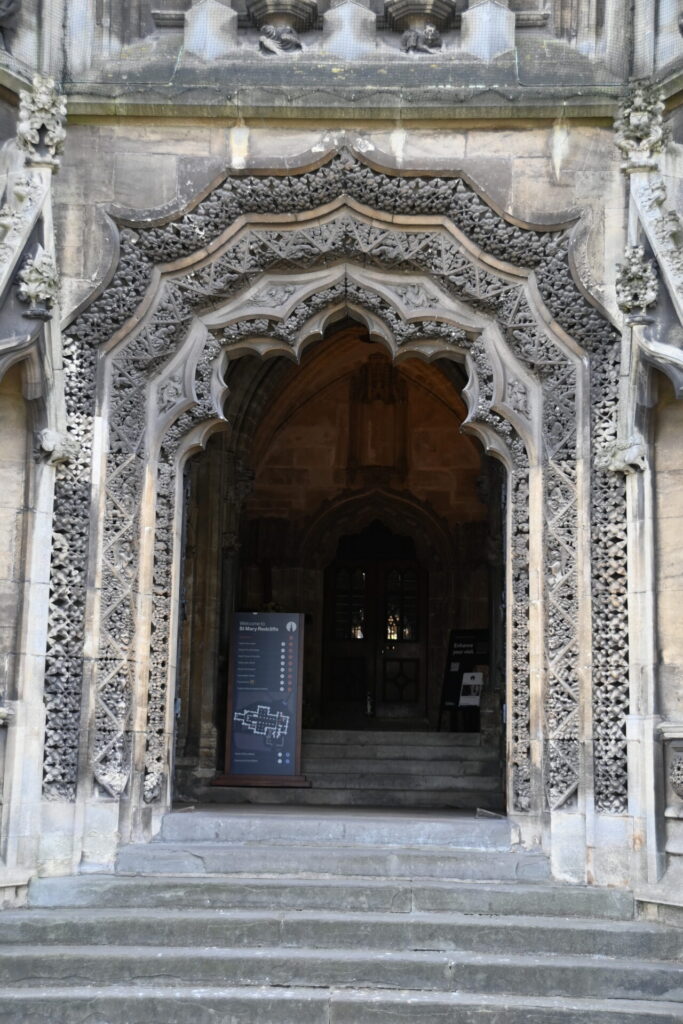
Even before stepping through the door, you cannot but be impressed by the complex and elaborate exterior, which has inevitably undergone many structural changes (not least as a result of Oliver Cromwell's destructive inclinations). But, once inside the scale and sheer magnificence immediately becomes apparent. Aside from the architectural features, items of particular interest include an arresting display of stone fragments - a testament to the skills of the medieval craftsmen that worked on this building. The north porch is unusual in that it shows a clearly moorish influence, thought to be as a result of the trade carried out by Bristol merchants with those countries. From more recent times, the stained glass is truly beautiful. Earlier examples were lost to Cromwell and extensive WW2 bombing, but the windows created by Harry Stammers in the 1960s are exceptional in terms of clarity and colour.
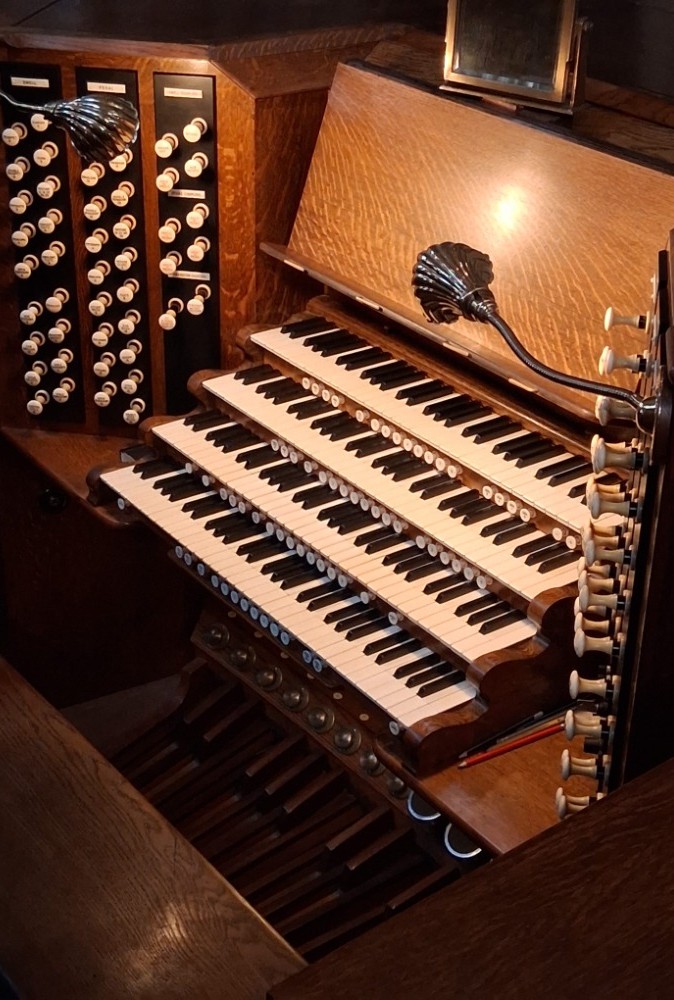
The organ, built by Harrison and Harrison, from Durham, is interesting and unusual in that the console/keyboard is housed lower than the choirmaster and the choir are situated. I'd like to imagine it rising, rather like a mighty Wurlitzer during performances. An unusual feature is a contemporary installation entitled Chaotic Pendulum. It is designed (by flow of water and gravity) to swing in a completely unpredictable way, thus demonstrating the principle of Chaos Theory - perhaps never more apposite than now in these troubled times. A+CR


Day Three - Blaize Hamlet, Tyntesfield and Clifton
Our second day started on a bright but cold and windy morning with a short journey from our hotel to Blaize Hamlet in Henbury, which is a district in Bristol. This a group of nine small cottages grouped around a green with a sundial (access is to the green only as cottages are occupied and not open to the public). The cottages and sundial are grade 1 listed buildings. They were built for the retired employees of Quaker banker and philanthropist John Scandrett Harford who owned the nearby Blaise Castle; they were designed by John Nash who had previously worked for John Harford. Nash, who also designed Buckingham Palace and the Royal Pavilion in Brighton clearly had the ability to work in different modes and here he adopted the style known as 'Cottage Ornee'. creating quite fantastic dwellings that could have come from 'Hansel and Gretel' or 'Little Red Riding Hood'. The striking ornate chimneys, elaborate thatched roofs, windows in the shape of a cross and the dovecotes stand out in our memories. There were however amongst the group that although externally picturesque, we would not wish to live there and be subject to the constant flow of tourists tramping round. T+MC


Tyntesfield
On leaving Blaize Hamlet we journeyed south to Tyntesfield; Here a Georgian country house was transformed into a Victorian Gothic home in the mid-19th century by William Gibbs with his architect John Norton. The first impression stepping into Tyntesfield is the contrast between the light Bath stone of the exterior and the enveloping dark wood panelling that is a feature of most rooms inside.


To the right of the entrance hall there is a luxurious dining room where the chandeliers throw light onto the magnificent full height, mirrored oak fireplace which flows straight into the wonderful oak panelled ceiling. From here, with the library containing thousands of books and the study of the gentleman of the house on the opposite side of this wide passage, the way opens up into the hall with marble and richly decorated plaster arches supporting an open staircase. This has a delicate, twisted wrought-iron balustrade which adds to the light and airy atmosphere of this part of the house. Also on the ground floor there is the grand drawing room, again richly decorated with wood panelling and sumptuous drapes and wallpaper. Close by there is a room housing the many thousands of eclectic items that had been collected by generations of the family including a not-so-19th century hi-fi system! And, tucked away in a corridor behind the staircase there is an astonishing number of bells on the wall for summoning servants in the house’s hay day.


Upstairs in a turret is a bedroom enhanced by mirrored cabinets, a matching jewellery safe and – surely ahead of its time – an en-suite bathroom with the bath set in a cosy niche in the wall. Following the passage on this first floor of the house leads straight into the unique feature of Tyntesfield – the Chapel. This was added in the last quarter of the 19th century by the architect and builder Arthur Blomfield, it is Gothic in style and was modelled on a French medieval church, Sainte-Chapelle. The most memorable features of the chapel are its size, the light carved stone interior and the beautiful stained glass windows. From here the door to the exterior gives another opportunity to take in the scale and structure of this remarkable house. J+LR


The Tyntesfield Walled Garden


These impressive gardens have been restored to their original purpose when they supplied the entire needs of the household. In some glass houses plants are raised from seed for transferring outdoors, while others contain house plants, grape vines and fig trees. An extensive adjoining garden is filled with immaculately prepared beds to provide fruit and vegetables year round while fruit trees are neatly trained against the surrounding walls. My greatest delight was the attractive stone orangery, delicately scented by a fine array of citrus trees. SB

Clifton Village and Suspension Bridge
On our return journey from Tyntesfield we made another visit to the Clifton area and the Suspension Bridge to spend more time after our relatively brief stop off the previous day. here are the impressions of one of our members.
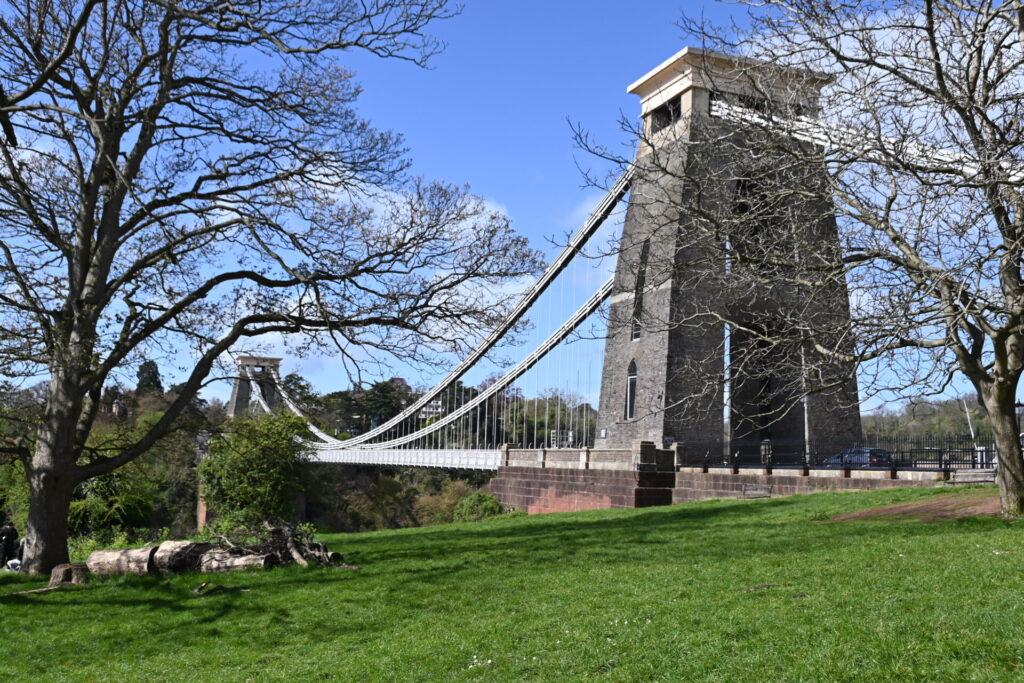
I had never been to Bristol before, but like most of us, I remembered Isambard Kingdom Brunel and the Suspension Bridge from school. Clifton is an area of green spaces and large houses built for the wealthy. We found a viewpoint where we enjoyed superb views of the Avon Gorge and the Clifton Suspension Bridge, 412m long spanning the Gorge and linking Clifton to Leigh, North Somerset.
The bridge is a Grade 1 listed structure designed by engineer Brunel. It was his first project and took 34 years to complete, opening in 1864, after his death. Other engineers were instrumental in its completion but the bridge was dedicated to Brunel and his original designs. Brunel was only 5ft tall and wore a top hat 8 inches high to look taller and command respect. He was meticulous with maths and detailed measurements which is why so many of his projects, railways, ships, buildings and bridges remain standing today. Many of us took the opportunity to walk across the bridge; pedestrians can walk either side of the central roadway. Crossing is free for cyclists, pedestrians and horse riders whereas vehicles pay £1 toll, to help with upkeep, with 8,800 daily crossings. The bridge was busy with traffic, runners and tourists like us taking photos, and despite the blustery winds, enjoying the stunning views. MT


Clifton Village
Clifton is an inner suburb of the city, built in the Regency period when Bristol became a thriving port and also benefitted socially from its proximity to Bath, then at the height of its fame and popularity as a spa town. The area resembles the more expensive parts of the capital with elegant streets and squares of stuccoed three and four storey town houses and independent shops and restaurants. CP


Day Four - Return to Bishop Auckland via Quarry Bank Mill, Styal.
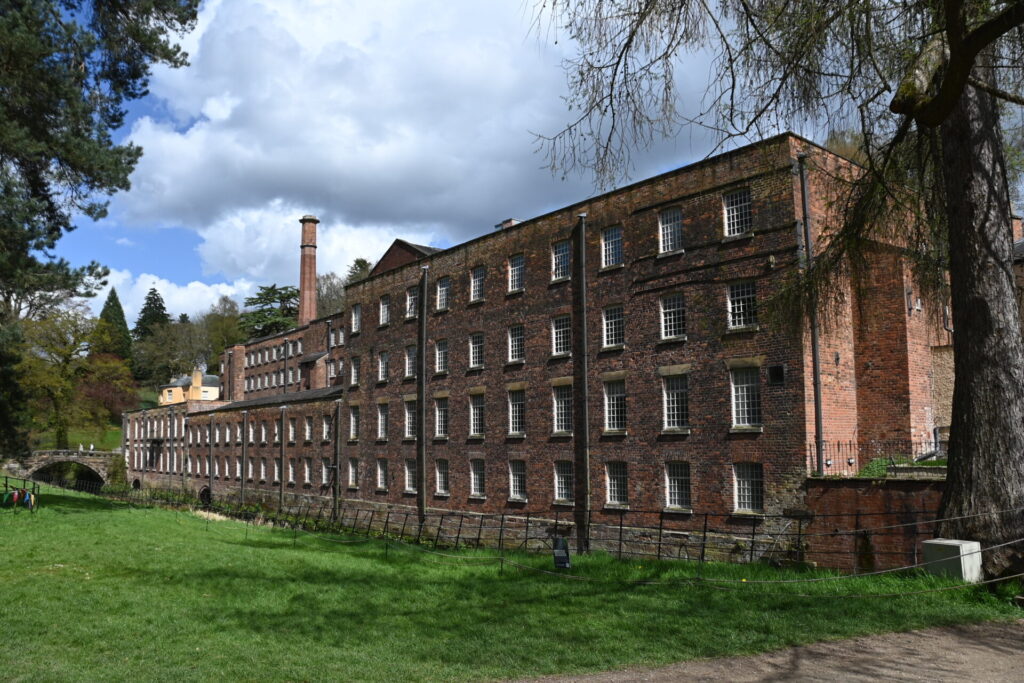
On our way home we stopped at an old cotton mill at the village of Styal near Manchester Airport. Now run by the National Trust, the mill, on the Banks of the River Bollin was an early participant in the Industrial Revolution, having been opened by Samuel Greg, an Irishman, in 1768.
Looms are still operated here to demonstrate the processes involved in making cotton cloth from the raw material. The noise from only two looms is deafening; our demonstrator told us that when all the looms in that room were in operation, the walls shook!
The workers here were mostly women and children, the latter being “recruited” from orphanages and the workhouse. But the highest earners were exclusively men. The children worked six days a week, on the seventh, they attended church. Most of the workers lived either on site in the Apprentice House or in the nearby village of Styal. Samuel moved his large family from the noise and smell of industrial Manchester to a house near the mill where there was outside space, initially for holidays but soon it became permanent. The house has gardens that stretch down to the river, upstream from the large waterwheels that provided the power for the looms.
The mill still looms over the landscape, but nowadays the bustle is from tourists and volunteers, a far cry from the heavy work of the 18th century. LP