We met in the Old Pay Office Café before commencing on a hot summers day to
walk to Seaham. Initially walking through Easington local nature reserve towards the
coast, we crossed the rail lines and turned North parallel to the railway. The paths were
dry and dusty, yet wildflowers were blooming and blackberries were ready for eating.
After a mile we joined the Durham coast path now also known as the King Charles III
England Coast Path, no different to the path we’d been walking, but a posh name.
We had clear views of the North Sea, but not the beach or coastline due to the cliffs.
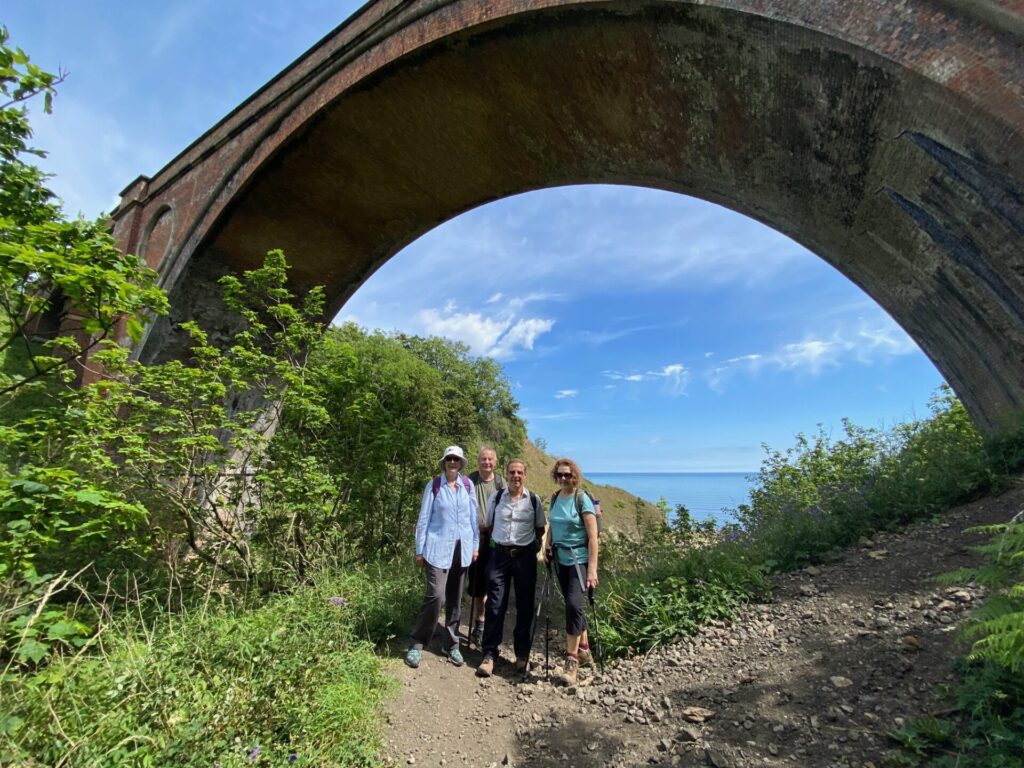
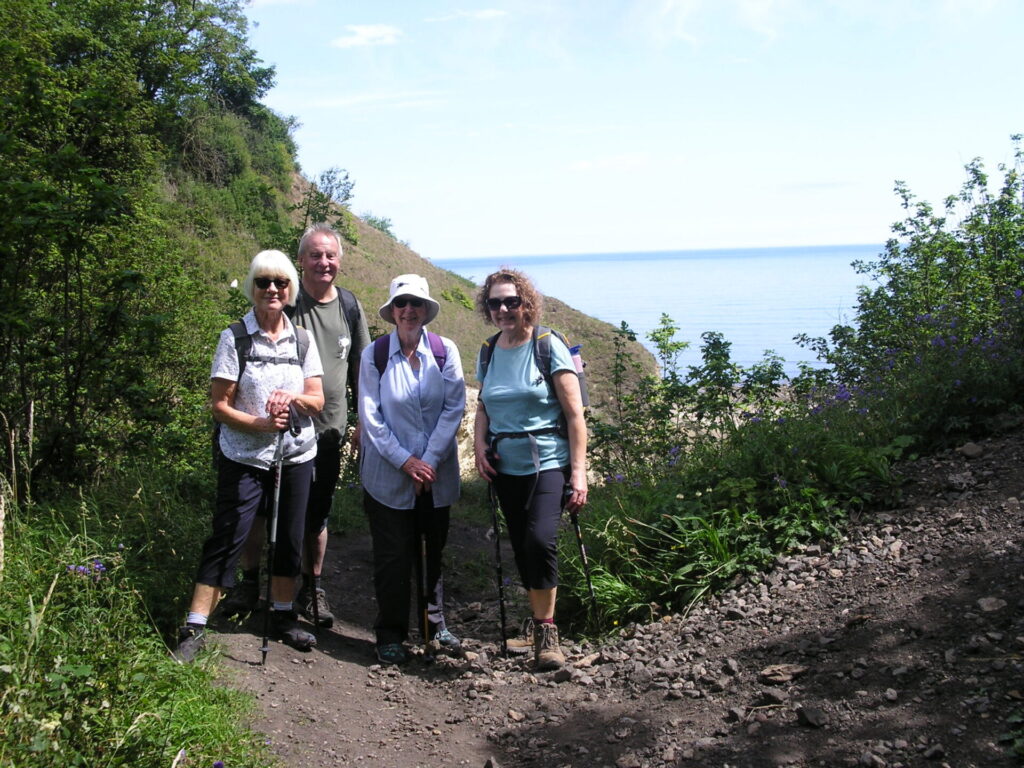
Further north we entered the ancient woodland of Hawthorn Dene, a Durham Wildlife
Trust reserve, walking to the Viaduct for the view, before dropping into the dene via
steep steps. The dene itself was bone dry, not a drop of water anywhere and the
supposedly muddy paths were baked dry and dusty. We heard several species of
birds calling mainly tits, chaffinches and wrens. We walked up out of the dene to a
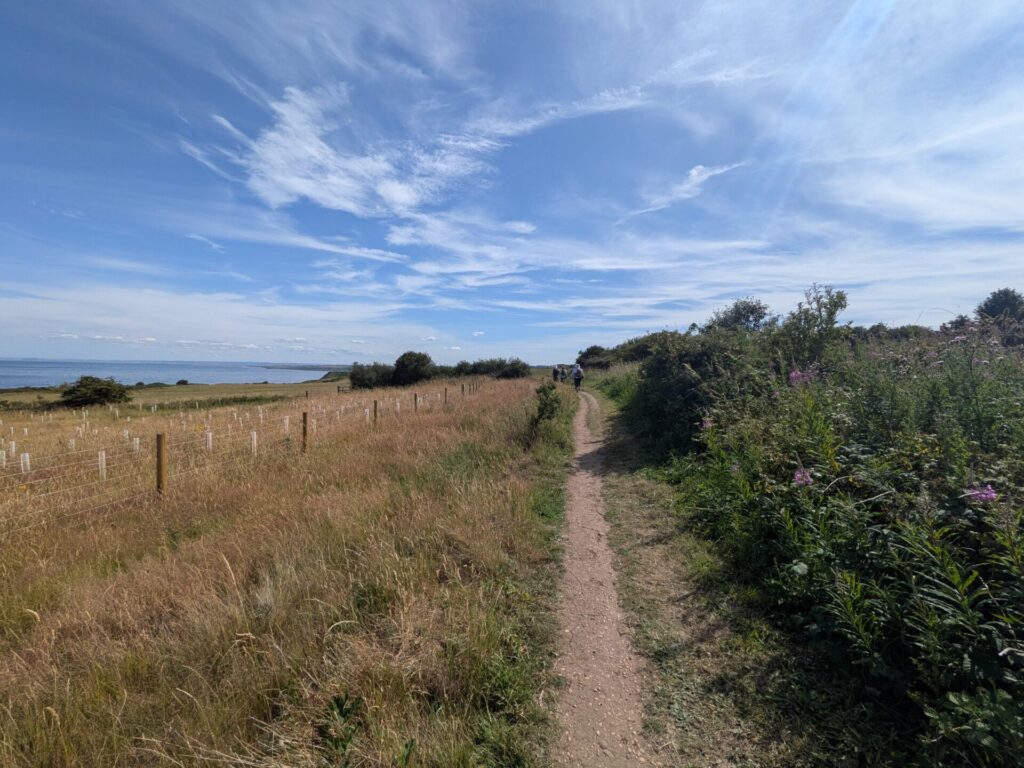
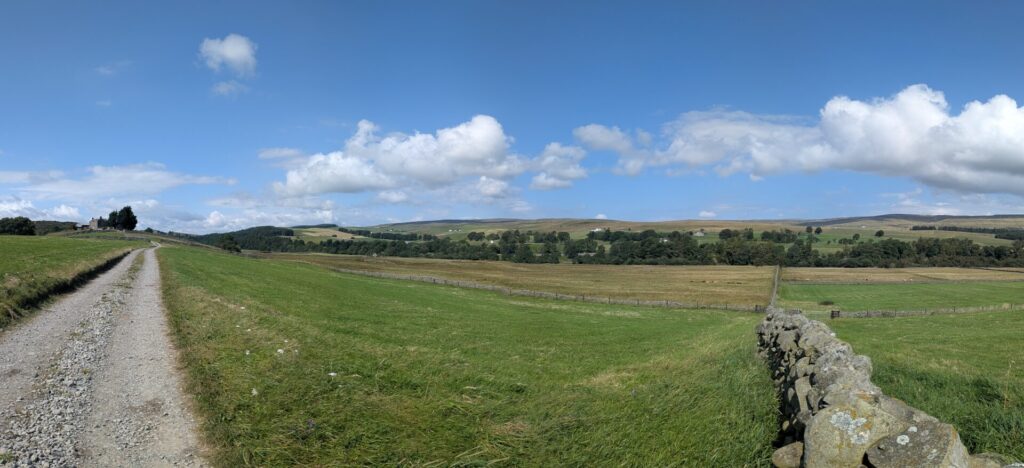
limestone meadow area and the onward along the coastal path with the railway on
our left and cut hay meadow fields on our right.
Further north we reached Noses Point car park, most days it is a good lookout point
for watching dolphins, porpoises and whales going up and down the coast, but not
this day. Black-headed and Herring gulls, as well as meadow pipits flew overhead or
clled from the grass. At last we reached Seaham and walked down to the harbour
passing a colony of Kittiwakes. A lunch stop, ice cream and refreshments were taken
on board before we set off to return by the same route.
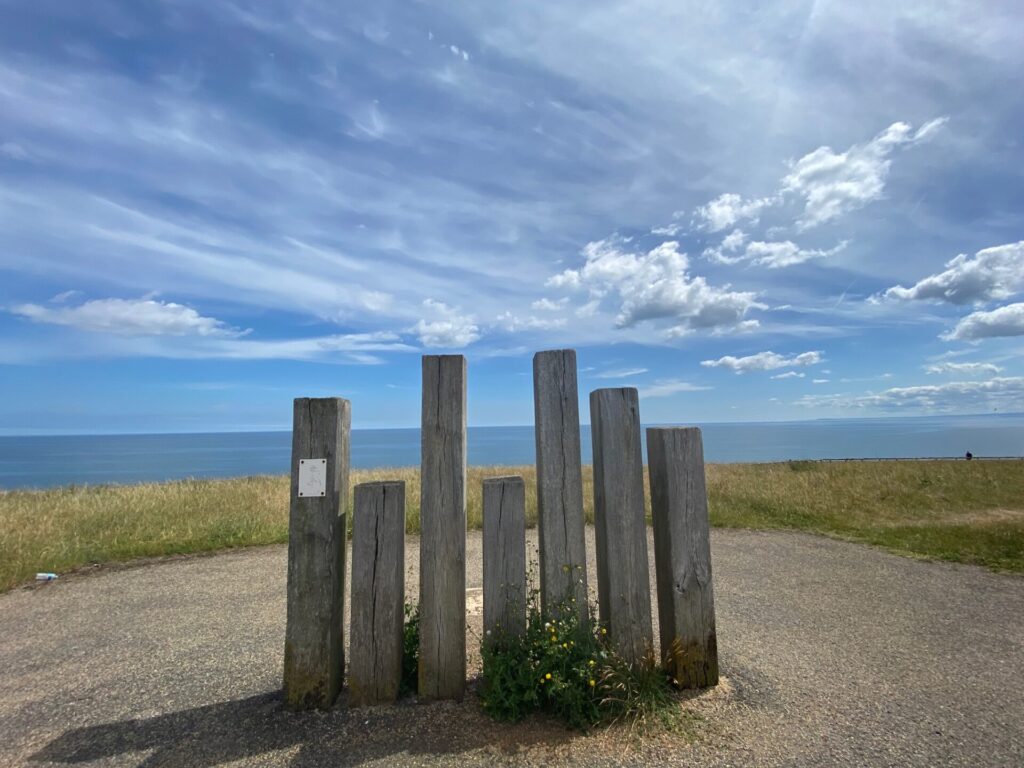
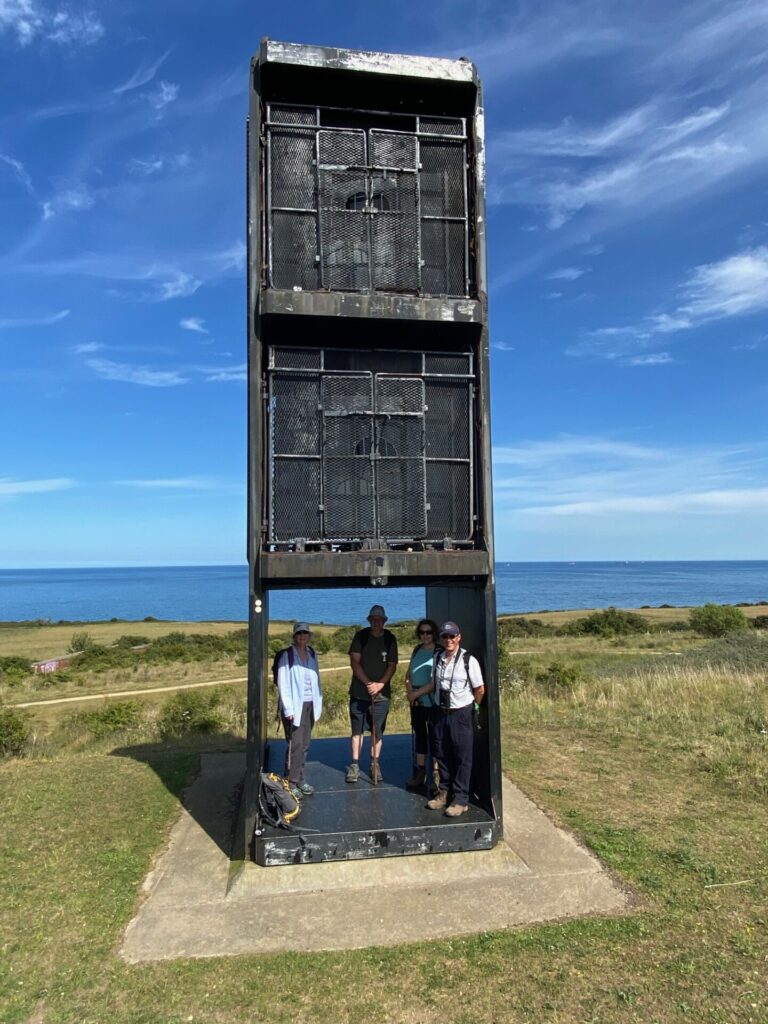
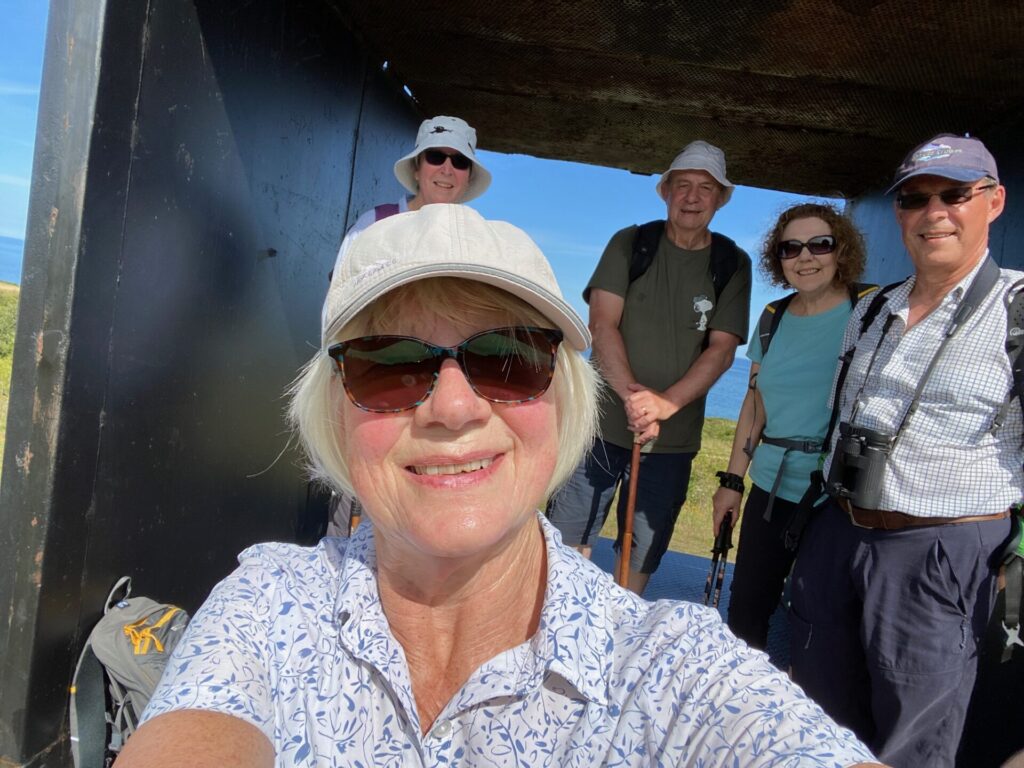
As we reached Easington Colliery we visited the Pit Cage Monument. It weighs
almost 12 tonnes and has been re-instated at the restored site of the former
Easington Colliery by the Turning The Tide project as part of the cleanup of
Durham's coastline.



Author - JohnS
Pictures - JohnS and Sue F